
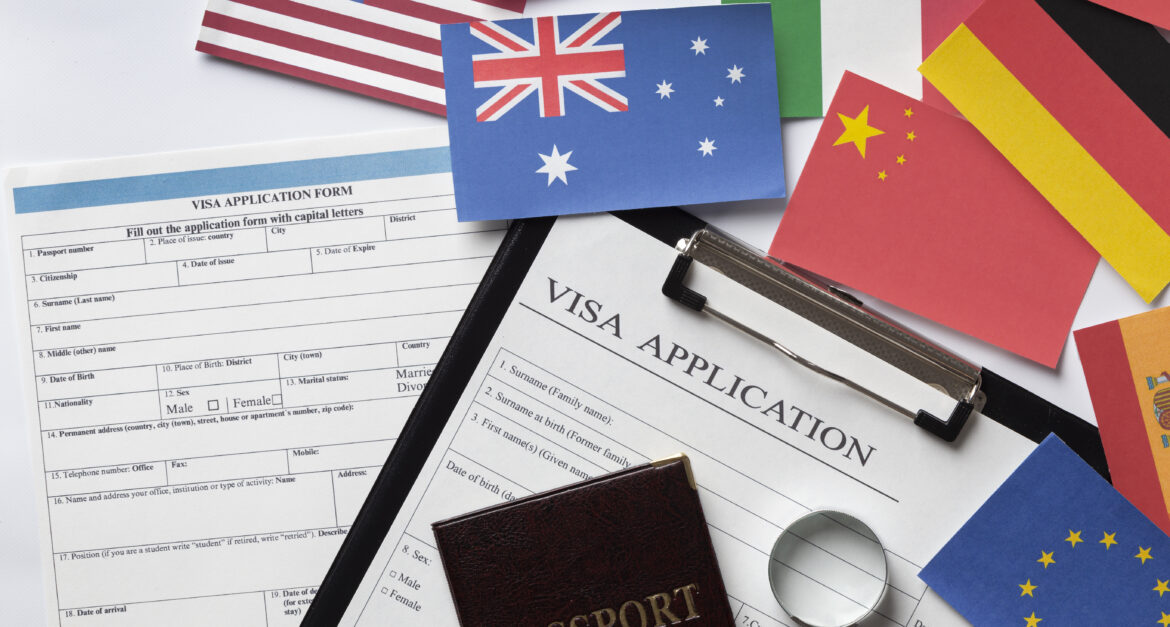
Europe’s Work Permit Landscape in 2025
EU Wide: The New Single Permit Directive (Effective by mid‑2026)
A major overhaul of the EU’s migration framework was agreed by the European Parliament in April 2024, with full implementation required by 22 May 2026 Migration and Home AffairsEUR-Lex:
- Introduces a single, combined permit for residency and work—covering nearly all non‑EU nationals (excluding seasonal, posted workers, and some asylum beneficiaries).
- Processing limit shortened to 90 days (with up to 30 extra days in complex cases) EUR-Lex+2European Parliament+2Migration and Home Affairs+2.
- Workers can change employers during the permit term (national authorities can set restrictions, including a minimum employment period of up to six months before switching) European Parliament+1Migration and Home Affairs+1.
- Unemployment flexibility: permit holders can remain up to 3 months (if permit <2 years) or 6 months (if ≥2 years) without losing status The Times+8European Parliament+8EUR-Lex+8.
- Guarantees equal treatment with local workers in areas such as pay, working conditions, social security, and qualification recognition Migration and Home Affairs+1EUR-Lex+1.

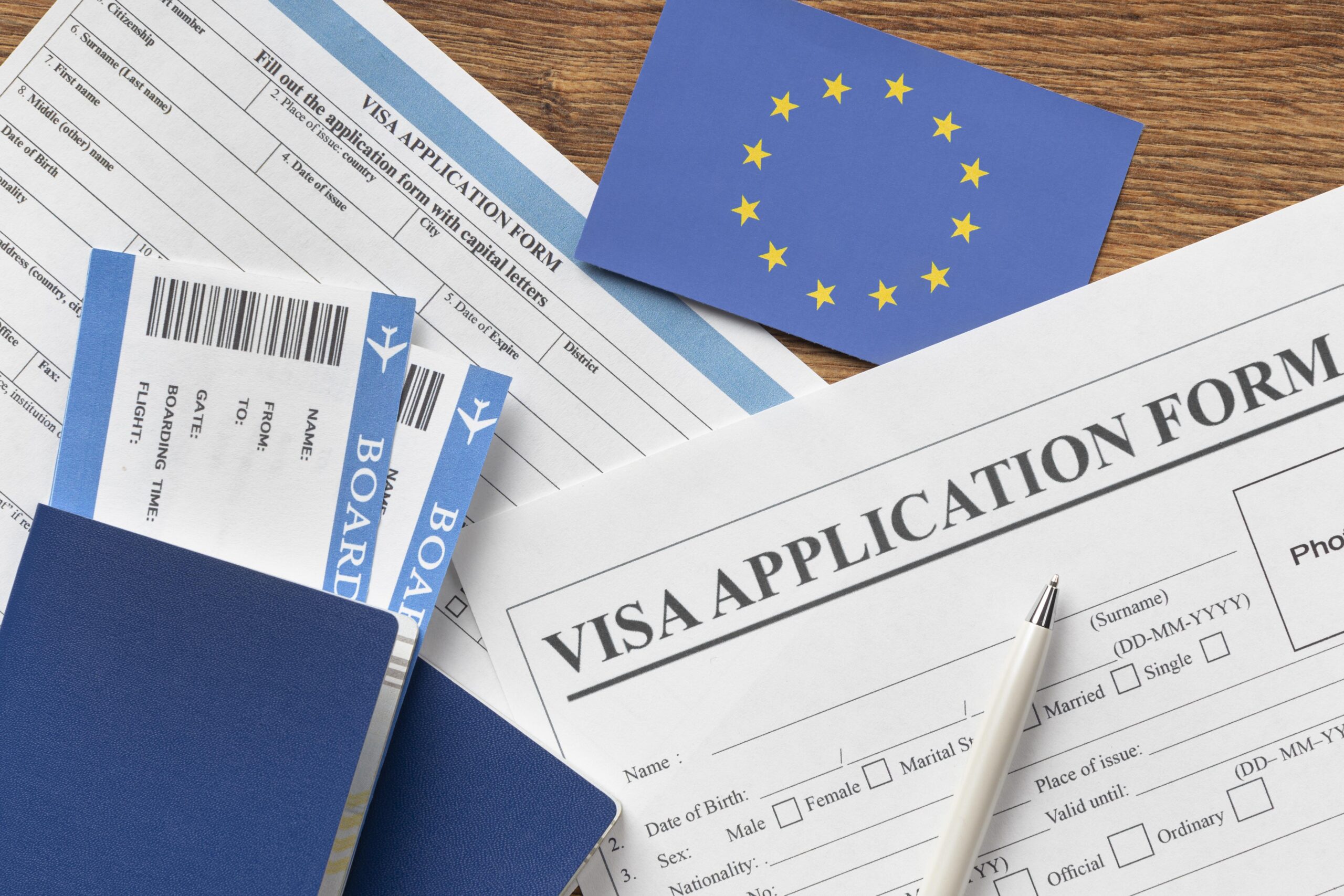
EU Blue Card: Radical Liberalization in 2025
The EU Blue Card system has undergone sweeping changes to boost access for highly skilled third‑country nationals travelobiz+10legal-eucounsel.com+10travelobiz+10:
Lower salary thresholds:
- Germany: €48,300 (general) / €43,760 (shortage occupations)
- Sweden: 1.25× national average (down from 1.5×).
- Austria: €3,678/month.
- Other countries, like Luxembourg and Hungary, also lowered their thresholds The Washington Post+15legal-eucounsel.com+15Make it in Germany+15.
Contract duration cut to just 6 months (previously 12) to qualify DAAD Scholarships+2travelobiz+2SchengenVisaInfo+2.
Degree no longer mandatory for IT and STEM professionals with ≥ 3 years of experience Businessday NG+4legal-eucounsel.com+4World Wide Advisors – Way to your Dreams+4.
Improved intra‑EU mobility: Blue Card holders can move to another EU country after 12 months without losing work rights Migration and Home Affairs+10legal-eucounsel.com+10Businessday NG+10.
Switching employers becomes simpler in countries like Sweden, where employers just need to be notified—no full reapplication required travelobiz+2Businessday NG+2DAAD Scholarships+2.
Germany’s Skilled Immigration Act
Germany, reforming under its 2023 Skilled Workers’ Act, now operates a points-based system modeled after Canada’s. It lowers Blue Card salaries and expands eligibility—especially for applicants with vocational training or experience Wikipedia+1Make it in Germany+1.
National Highlights & Country-Specific Reforms
Sweden
From 1 January 2025, Sweden fully adopted the revised EU Blue Card rules:
- Salary threshold lowered to 1.25× the average salary.
- Only a 6‑month work contract needed.
- Switching employers allowed with notification.
- Blue Card holders from other EU states can transfer without leaving SwedenAP News+12SchengenVisaInfo+12se+12travelobiz+2DAAD Scholarships+2legal-eucounsel.com+2World Wide Advisors – Way to your Dreams+1legal-eucounsel.com+1.
Croatia
As an EU member, Croatia has also relaxed its Blue Card and foreign-work rules in 2025:
- Standard work permits valid up to 3 years (193%).
- EU Blue Cards now valid for 4 years.
- Unemployment grace period extended to 60 days.
- IT professionals without degrees but with 3+ years of experience can now qualify.
- Changes to allow dual part‑time employment (≤ 8 hrs/week), self‑employment opportunities, and biometric work/residence cards SchengenVisaInfo+6World Wide Advisors – Way to your Dreams+6DAAD Scholarships+6.
Other EU Members
Several states have tailored Blue Card reforms:
- Estonia recognizes 5 years of professional experience in lieu of a degree and simplified employer notifications travelobiz.
- Italy now allows fully online EU Blue Card applications for employers, with threshold around €24,790/year travelobiz+1Make it in Germany+1.
- Slovakia extended Blue Card validity to 5 years and lowered salary threshold to 1.2× the national average travelobiz.
What It Means for Job Seekers and Employers
For Skilled Professionals:
- The enhanced EU Blue Card gives more access: lower salaries accepted, shorter contracts, no degree needed in certain fields, and better mobility across EU countries.
- The Single Permit streamlines both work and residency application into one process—with faster timelines and stronger legal protections.
For Employers:
- Permanent recruiters gain flexibility in hiring and integrating non-EU talent.
- Easier job-switching, grace periods, and unified permits reduce risk and improve workforce stability.
Key Considerations:
- Denmark and Ireland are excluded from both Single Permit and Blue Card frameworks.
- Implementation deadlines vary—each EU country must adopt Single Permit rules by May 2026.
- High-demand sectors like IT, healthcare, engineering, and research are the most eligible under revised rules.
Final Thoughts
Europe’s 2025 work permit landscape reflects a decisive shift toward streamlined, labour-aligned immigration. EU-wide reforms like the Single Permit and revamped Blue Card make it easier for skilled professionals to enter, work, switch jobs, and gain mobility across borders.
Germany, Sweden, Croatia, Italy, Estonia, and others lead with innovative national adjustments. If you’re a non‑EU skilled worker eyeing a European career—or an employer seeking international talent—now’s the time to act.
Recent Developments Worth Watching
- The UK’s sweeping post‑Brexit immigration overhaul—raising skill thresholds and closing low‑skilled visa routes—adds uncertainty despite its external status
Summary of Modern Work Permit Opportunities in Europe
| Permit Type | Eligibility & Key Features |
| Single Permit (EU-wide) | One application for work & residence; fast decision (≤ 90 days); job-switch flexibility; unemployment tolerance; equal labour rights |
| EU Blue Card | Lower salary thresholds; only 6-month job contract; experience can substitute for degree in IT/AI; intra‑EU mobility enabled; employer-notification-only switches in some states |
| National Reforms | Countries like Germany, Croatia, Sweden, Estonia, Italy, Slovakia have made Blue Card and skilled pathways more accessible and responsive to labour needs |



Comments (2)
Narelle Pamuk
The intruders chased the girl in the house and threatened her when she hid from them, according to the PSNI to Limavady Facebook page.
Paul Miller
It’s no secret that the digital industry is booming. From exciting startups to need ghor fore global and brands, companies are reaching out.